Health and Safety Policy for Carpet Cleaning Services
 Our carpet cleaning policy is built to protect clients, staff, visitors, and property during every stage of service delivery. We recognise that professional carpet care involves the use of equipment, cleaning agents, water, and physical handling, all of which require careful control. This policy sets out the standards we follow to maintain a safe working environment, reduce risk, and deliver consistent results.
We are committed to carrying out safe carpet cleaning in a responsible and organised manner. Every task is assessed before work begins, with attention given to the condition of the premises, the type of flooring, access routes, ventilation, and any likely hazards. By planning ahead, we aim to minimise disruption and prevent avoidable incidents.
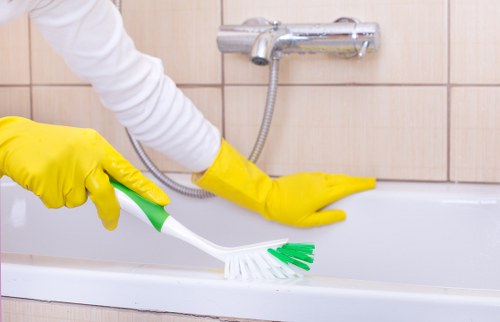 Our team understands that health and safety is not separate from quality; it is part of it. A clean carpet should never come at the expense of wellbeing, so we use procedures that balance effectiveness with caution. Risk awareness, correct handling, and clear communication are central to our approach.
Core Safety Principles
The carpet cleaning safety policy is based on a few essential principles. First, all work must be carried out by trained personnel who understand equipment use, chemical labelling, and safe working practices. Second, hazards must be identified and controlled before cleaning begins. Third, equipment and products must be used only as intended and maintained in good condition.
We keep work areas tidy to reduce slips, trips, and falls. Hoses, cables, and portable machines are positioned carefully, and where possible, walkways are kept clear. Wet surfaces are marked and monitored until they are safe to use. This is especially important in busy environments where other people may be present.
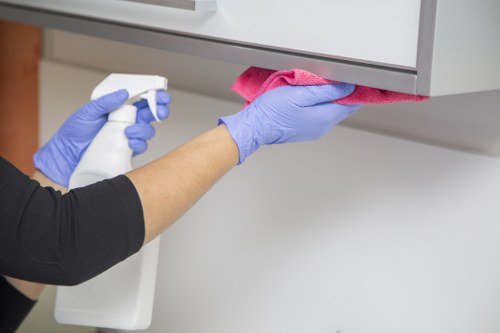 Cleaning agents are selected for suitability, not just strength. Whenever possible, we use products with reduced impact on people and materials, while still achieving a thorough clean. Product instructions are followed at all times, and any chemical is stored, diluted, and applied according to its safety requirements.
Training, Equipment, and Supervision
All operatives receive instruction on machine operation, manual handling, chemical safety, and emergency response. Training is reviewed regularly so that standards remain current. Team members are expected to understand how to recognise hazards, report concerns, and stop work if conditions become unsafe.
Our equipment is checked before use and maintained on a routine basis. Faulty or worn items are removed from service until repaired or replaced. This helps reduce the chance of electrical issues, leaks, poor extraction, or other failures that could affect safety or service quality.
Supervision is used where needed to ensure procedures are followed correctly, especially on larger or more complex jobs. The aim is not only compliance, but consistent safe practice across all work. We expect every team member to act responsibly and to protect both themselves and the people around them.
Workplace Risk Control
Before any project begins, we consider the environment and any factors that may increase risk. These can include fragile furnishings, uneven flooring, restricted access, poor lighting, pets, or vulnerable surfaces. Once identified, controls are put in place to reduce the likelihood of harm.
Where water extraction or steam cleaning is required, moisture levels are managed carefully to avoid over-wetting and to help carpets dry efficiently. Ventilation may be improved by opening windows or using suitable drying methods. This reduces the risk of slips, damp-related damage, and inconvenience to building users.
We also pay attention to manual handling. Lifting equipment, moving furniture, and carrying supplies can all present strain if done incorrectly. Staff are encouraged to use safe lifting techniques, seek assistance when needed, and avoid unnecessary physical effort. Prevention is always preferable to recovery after an incident.
Emergency and Incident Procedures
 If an accident, spill, or equipment malfunction occurs, work is paused and the area is made safe as quickly as possible. Depending on the situation, this may involve isolating power, containing liquids, clearing access, or removing affected items. Any incident is recorded and reviewed so that lessons can be applied to future work.
First aid provision and emergency response arrangements are maintained in line with the needs of the workplace. Staff are expected to know how to react if someone is injured, exposed to a chemical, or affected by a slip or electrical issue. Prompt reporting helps prevent minor problems from becoming serious.
Fire safety is also considered when handling electrical equipment, cleaning fluids, and extension leads. Tools are used in a way that avoids overheating or overloading. Materials are stored neatly, and ignition risks are kept to a minimum through good housekeeping and awareness.
Responsibilities and Review
 Everyone involved in our carpet cleaning services has a responsibility to support safe working. Managers must provide suitable resources, clear instructions, and supervision. Operatives must follow procedures, use equipment correctly, and report hazards or concerns immediately. Clients and building occupants are also asked to cooperate with safety measures where work is taking place.
We review this policy regularly to make sure it remains effective and aligned with current practice. Changes in equipment, products, work methods, or workplace conditions may require updated controls. Continuous improvement is part of our commitment to delivering professional and safe carpet care.
By maintaining clear standards and a safety-first mindset, we ensure that every carpet cleaning task is carried out with care, responsibility, and respect for the people and places involved.