Skip permits Islington Council rules for cleaning waste: a practical guide for homes and businesses
If you are planning a clear-out, a deep clean, or a bigger cleaning job in Islington, the rules around skip permits and waste handling can catch people out fast. One minute you are sorting bags, old carpets, broken shelves, or builder's dust; the next, you are wondering whether a skip can sit on the road, who needs permission, and what happens if waste is left in the wrong place. That is exactly where Skip permits Islington Council rules for cleaning waste matters. This guide breaks it down in plain English, with a focus on what usually works in real life, what to avoid, and how to keep your cleaning project tidy, legal, and far less stressful.
To be fair, most people do not need a law degree to deal with waste. They just need a sensible plan. By the end of this article, you will know when a skip permit may be needed, how waste from cleaning jobs is typically managed, which alternatives can save time, and how to stay on the right side of local rules without overcomplicating the job.
Why Skip permits Islington Council rules for cleaning waste Matters
Waste from cleaning jobs looks harmless at first glance. A few bags of dust, old textiles, maybe some packaging. But once a project gets underway, the volume can grow quickly. A post-renovation clean, an end of tenancy reset, or a commercial deep clean can leave behind bulky waste, contaminated materials, or mixed rubbish that cannot just be left on the pavement.
That is why the local rules matter. In Islington, the key issue is usually not just the waste itself, but where it is stored, how it is collected, and whether anything is placed on public land. If a skip is needed on the highway, a permit is often part of the process. If waste is kept entirely on private land, the situation may be simpler, but you still need to think about duty of care, segregation, and responsible disposal.
People often assume a skip permit is just paperwork. It is a bit more than that. It can affect project timing, vehicle access, neighbour complaints, and whether a job can be completed in one day or two. In a busy part of London, that can make a real difference. You know how narrow some streets are; one skipped detail and suddenly the pavement looks like a bottleneck.
Expert summary: The safest approach is to plan waste removal before the cleaning starts, not after the pile is already growing in the hallway, front garden, or loading bay.
How Skip permits Islington Council rules for cleaning waste Works
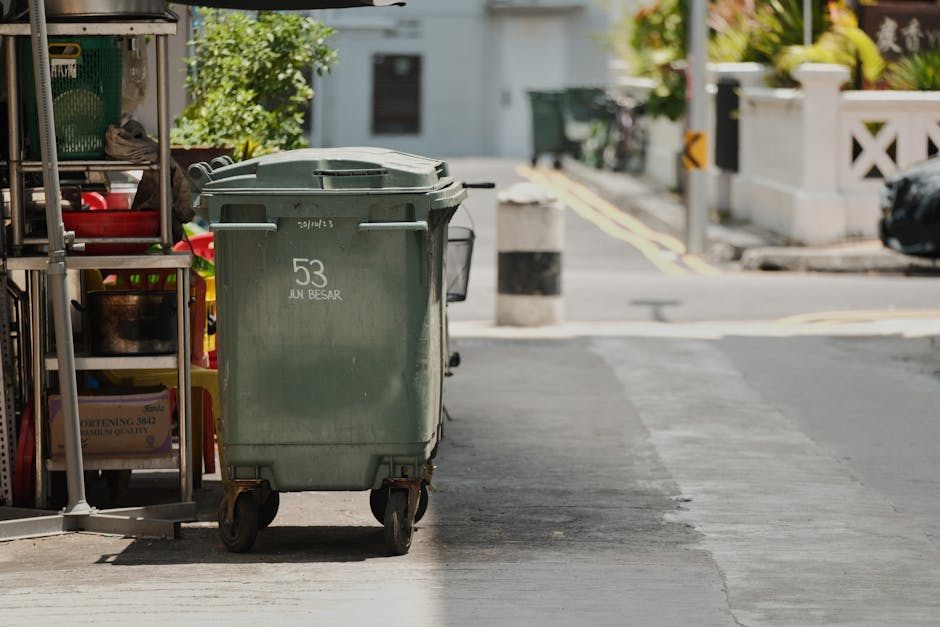
The basics are straightforward. If you need a skip to sit on a public road, footway, or other highway area, a permit is usually required. If the skip is placed on private property, such as a driveway or courtyard, permission from the landowner is generally the key issue instead. The exact process can vary depending on the location, the size of the skip, and whether the placement affects traffic, access, or safety.
For cleaning waste, the most common question is not only "Do I need a skip?" but "Is a skip the right tool at all?" Some waste from cleaning can be bagged and removed by a licensed waste carrier. Other waste, such as mixed heavy rubbish after a strip-out or builder's clean, may be more practical in a skip. A little planning avoids double-handling, which nobody enjoys. Especially on a rainy Thursday when everything feels heavier than it should.
There is also a difference between domestic cleaning waste and project waste. Domestic cleaning often produces limited, lighter waste. Larger jobs, such as after builders cleaning, end of tenancy cleaning, or house clearance, may generate bulky or mixed waste that needs a more organised disposal plan.
In practical terms, the workflow usually looks like this:
- Identify the type and amount of waste.
- Decide whether it can be kept on private land or needs roadside placement.
- Check whether a skip, bag collection, or multiple waste runs is the best fit.
- Arrange the right permissions if a skip will occupy public space.
- Keep waste sorted so collection and disposal stay efficient.
That may sound basic, but the simple jobs are where people often trip up. A skipped permit, quite literally, can become an expensive headache if the placement is wrong.
Key Benefits and Practical Advantages
Following the proper skip and waste rules is not only about avoiding trouble. It also makes the entire cleaning job smoother. When the waste process is sorted early, cleaners can work faster, access stays clearer, and the site feels under control instead of half-finished.
- Less disruption: Proper planning reduces blocked access, neighbour complaints, and last-minute reshuffling.
- Cleaner workflow: Waste can be removed in an organised way instead of piling up in corners.
- Lower risk of mistakes: Good segregation helps avoid mixing materials that should be handled differently.
- Better presentation: Important for move-out cleans, Airbnb turnarounds, and commercial premises.
- Improved safety: Fewer trip hazards, fewer loose bags, and less clutter in working areas.
For landlords and letting agents, the benefit is especially clear. If a property needs to be handed back quickly, waste delays are annoying at best and costly at worst. For businesses, waste control also helps keep entrances, fire routes, and communal areas more manageable, which is one reason many firms choose structured commercial cleaning or office cleaning support rather than trying to wing it.
Who This Is For and When It Makes Sense
This topic matters to a lot of people, not just contractors. If your cleaning job produces waste that cannot fit in standard household bins, you need to think ahead.
You may need to pay close attention to skip permits and waste rules if you are:
- a homeowner clearing out old items before a deep clean
- a tenant trying to leave a property in good order
- a landlord preparing between lets
- a facilities manager handling a communal area refresh
- a business owner managing waste after refurbishment
- a cleaner or contractor dealing with bulky, mixed, or dirty materials
It also makes sense when the waste is awkward. Examples include wet carpets, underlay, broken shelving, old curtains, damaged furniture, packaging from deliveries, or accumulated debris after decorating. A standard rubbish approach may work for light waste, but not when there is a lot of it. You will notice the difference quickly once the bags start stacking up by the door.
If your job is mainly cleaning textiles or soft furnishings, then services such as carpet cleaning, steam carpet cleaning, sofa cleaning, or upholstery cleaning may produce less waste than a full clear-out, but you still need a plan for packaging, residue, and any items that cannot be reused.
Step-by-Step Guidance
Here is a practical way to handle cleaning waste in Islington without overthinking it.
1. Assess the waste honestly
Walk through the property and identify what needs removing. Separate general rubbish from bulky items, reusable materials, and anything that may need special handling. It sounds obvious, but people often underestimate volume. A few bags in one room can turn into a van-load by the time the wardrobes and hallway are cleared.
2. Decide whether a skip is actually necessary
For smaller domestic jobs, a skip may be overkill. A licensed waste collection or multiple bag removals may be simpler. For bigger jobs, especially after building work or a significant clearance, a skip can be the most efficient option. If the waste will sit on the road, factor in permit timing early.
3. Check the placement
Private land is usually easier than public highway space. If the skip can fit on a driveway or loading area without blocking access, that may reduce complexity. If it cannot, you will need to plan around local rules and the realities of Islington streets, which are not known for generous spare space.
4. Keep waste segregated
Do not chuck everything together unless that is genuinely the accepted collection method. Mixed waste can be harder to process and may increase cost. Separate bulky furniture, bagged waste, clean recyclables, and any contaminated materials where possible.
5. Schedule the clean around removal
One of the smartest moves is to coordinate waste removal with the cleaning sequence. That prevents a freshly cleaned room from being trampled again. In a move-out or post-build situation, timing matters more than most people expect.
6. Keep access routes clear
Hallways, stairwells, front doors, and shared paths need to stay usable. This is especially important in flats, managed buildings, and properties with communal spaces. If you are dealing with a shared entrance, a service like communal area cleaning can help restore order, but only if waste has already been handled sensibly.
7. Confirm the final disposal method
Before the job ends, confirm who is taking the waste, when it will be removed, and whether anything remains on site. The last thing you want is a half-cleared property with one foot in the dust and the other in a permit problem.
Expert Tips for Better Results
Experience teaches you a few shortcuts. Nothing fancy, just the kind of practical details that save time and irritation.
- Measure first, guess later. Waste volume is easy to misread. If in doubt, overestimate a little.
- Plan for wet or dirty waste separately. A damp carpet offcut is not the same as dry packaging. Treating them the same is where trouble starts.
- Use the right cleaning sequence. Remove major waste before detailed cleaning, then do the finish work once the area is clear.
- Keep a spare bag reserve. It sounds minor, but you never want to stop halfway because the last three bags are already full.
- Think about neighbours. If a skip or collection vehicle will affect a shared street, communicate early. A polite heads-up goes a long way.
For properties with stubborn marks or residue left behind after waste removal, pairing the disposal plan with specialist services such as stain removal, pet stain odour removal, or deep cleaning can make the result feel complete rather than merely tidied up.
And honestly, if you have ever stood in a room at 7:30 in the morning holding a soggy bag and wondering why the job grew legs overnight, you already know why preparation matters.
Common Mistakes to Avoid
Most problems come from rushing or assuming the waste side will sort itself out. It rarely does.
- Leaving waste on the street without checking permission: This is the classic mistake and the easiest one to avoid.
- Mixing everything into one load: Makes disposal slower and can create extra cost.
- Starting the clean before waste is planned: You end up cleaning around clutter, which is frustrating and inefficient.
- Forgetting access restrictions: Some buildings, basements, and narrow streets make collection trickier than expected.
- Underestimating timing: Permit or collection arrangements may take longer than you think, especially during busy periods.
- Ignoring health and safety: Sharps, broken glass, mouldy items, and heavy objects need proper care.
If the job involves heavier equipment, wet debris, or exterior waste, it is worth looking at the broader property condition too. Services such as patio cleaning, gutter cleaning, and window cleaning often sit alongside waste-heavy jobs, and the coordination is what keeps the whole project neat.
Tools, Resources and Recommendations
You do not need a warehouse full of equipment to manage waste properly. A few sensible basics go a long way.
- Heavy-duty waste bags: Better for dense or awkward waste than flimsy sacks.
- Labels or colour-coding: Helpful if multiple teams are working on the same site.
- Gloves and sturdy footwear: Basic, but worth saying. Broken debris bites when you least expect it.
- Protective sheets or dust covers: Useful when cleaning and removal overlap.
- Clear project notes: Keep track of what is being removed, what stays, and who is responsible.
On the service side, some readers will benefit from a package approach rather than handling each task separately. If the job is a full refresh, one-off cleaning or regular cleaning may be a better fit than trying to coordinate everything piece by piece. For properties changing hands, move-out cleaning and move-in cleaning are often more efficient once the waste is already under control.
When in doubt, keep the paperwork side tidy too. A proper cleaning provider should have clear operating practices, and pages like health and safety policy, insurance and safety, and recycling and sustainability can give useful reassurance about how a company approaches responsible work.
Law, Compliance, Standards, or Best Practice
Waste management in the UK is tied to duty of care principles. In simple terms, anyone producing waste should make reasonable efforts to ensure it is handled by the right people and disposed of properly. You do not need to become an expert in waste law, but you do need to avoid casual or careless disposal.
For a cleaning project, best practice usually means:
- using a licensed waste carrier where required
- keeping waste types separate where practical
- avoiding obstruction on public land without permission
- ensuring skips, bags, and loading arrangements are safe
- keeping documentation or job notes for your own records
If a skip sits on the highway, permission is typically the issue that matters most. If waste is kept on private land, the focus shifts more toward safe storage, access, and responsible removal. Either way, the principle is the same: do not leave waste management as an afterthought.
There is also a safety angle here that people sometimes miss. Cleaners and occupants can be exposed to sharp items, dust, damp residue, and awkward lifting. Good practice means planning the route, the load, and the removal method together. That is especially true in older Islington buildings where staircases are tight and shared access is limited. Not glamorous, but very real.
Options, Methods, or Comparison Table
If you are deciding how to handle cleaning waste, it helps to compare the main options side by side.
| Method | Best for | Pros | Watch-outs |
|---|---|---|---|
| Skip on private land | Properties with driveway, yard, or courtyard access | Simpler than roadside placement; good for bulky waste | Needs space and safe access; may still require landowner approval |
| Skip on public road | Sites without usable private space | Practical for larger clear-outs and building waste | Usually needs a permit; must not obstruct access |
| Licensed waste collection | Smaller or more frequent waste loads | Flexible, often quicker for modest volumes | May require more sorting and multiple collections |
| Bagged waste removal | Light domestic cleaning waste | Low hassle, neat for smaller jobs | Not ideal for bulky or heavy waste |
The right choice depends on access, volume, timing, and the type of waste. For a small flat refresh, bagged removal or a simple collection service may be enough. For a full property clear-out or post-build clean, a skip may be more efficient, even if the permit step adds a bit of admin.
Case Study or Real-World Example
A typical Islington scenario goes like this. A landlord is preparing a two-bedroom flat after a long tenancy. There are bagged rubbish items, an old mattress, a damaged chair, leftover packaging from repairs, and a thick layer of dust in the living room and hallway. At first, it feels like a normal clean. Then the waste starts collecting near the door and the hallway narrows down to a sliver.
Instead of pushing ahead and hoping for the best, the job is split into two stages. First, the bulky waste and mixed rubbish are removed through an organised collection plan. Then the property gets a thorough finish clean, including carpets, soft furnishings, and hard floors. Services such as hard floor cleaning and mattress cleaning can help with the final presentation once the heavy stuff has gone.
The result is calmer, faster, and less messy. The team is not stepping over sacks. The client is not left wondering whether the waste arrangement was legal. And the property looks ready, not half-done. Simple, really. But that simplicity is usually the product of good planning.
Practical Checklist
Use this checklist before you start.
- Have you identified every type of waste the job will produce?
- Do you know whether the waste can stay on private land?
- If a skip is needed on public land, has permit timing been checked?
- Have you separated bulky, bagged, and potentially contaminated waste?
- Are access routes clear for cleaners and removal vehicles?
- Do you have enough bags, gloves, and protective materials?
- Has the removal schedule been matched to the cleaning schedule?
- Are safety risks such as glass, sharps, damp debris, or heavy items controlled?
- Is the final disposal method clear and confirmed?
- Have you thought about the finish work after the waste leaves?
That last one is easy to forget. Once the clutter goes, the room always looks different. Better, usually. The light comes back. The floor is visible again. It feels like progress.
Conclusion
Skip permits, Islington Council rules, and cleaning waste may sound like a dry mix of admin and rubbish logistics, but in practice it is about keeping a job smooth, safe, and predictable. If you plan the waste properly, the cleaning itself becomes easier. If you ignore it, the whole project can wobble.
The smartest approach is simple: assess the waste early, choose the right removal method, respect access rules, and leave enough room for the actual clean to happen properly. Whether you are handling a small domestic refresh or a bigger clearance-style job, a little structure saves time and stress. And in London, that is never a bad thing.
If you want a tidy result without the usual back-and-forth, look at the waste side first, then build the cleaning plan around it. That way, the job feels manageable from the start. One step at a time, and suddenly it all comes together.
Get a free quote today and see how much you can save.
Frequently Asked Questions
Do I need a skip permit in Islington for cleaning waste?
If the skip will be placed on a public road or footway, a permit is usually needed. If it stays entirely on private land, the rules are generally simpler, though you still need safe access and permission from the landowner.
Can I leave bags of cleaning waste on the pavement temporarily?
Usually, no, unless there is a proper arrangement in place. Waste on public land can create safety and access issues, so it is better to plan collection or skip placement properly from the start.
What kind of cleaning jobs create the most waste?
After builders cleaning, house clearance, end of tenancy work, and some commercial cleaning projects tend to create the most waste. Deep cleans can also uncover more rubbish than expected, which is a bit of a classic surprise.
Is a skip always better than a waste collection service?
Not always. For smaller jobs, a waste collection service or bagged removal can be more practical. Skips are usually more useful when there is bulky, mixed, or higher-volume waste.
What if my property has no driveway or private access?
Then roadside placement may be the practical option, which is where permit rules become important. If access is tight, it is worth planning the waste removal method before the clean starts.
Can cleaning waste include carpets and soft furnishings?
Yes, sometimes. Old carpets, rugs, mattresses, sofas, and upholstery items may form part of a clearance or end-of-tenancy job. Depending on condition and contamination, these items may need separate handling.
How do I avoid fines or problems with waste in Islington?
Use the correct disposal method, do not block public space without permission, and arrange collection through a proper waste route. Good planning is the simplest way to avoid headaches.
What should I do with waste after a deep clean?
Sort it, remove it promptly, and keep it away from freshly cleaned areas. If there is still residue or staining left behind, finish the job with the right surface or fabric cleaning before handing the property back.
Are there special considerations for communal buildings?
Yes. Access, shared pathways, fire safety, and neighbour impact all matter more in communal settings. Services like communal area cleaning can help restore the space, but waste should be managed without creating blockages.
Does an end of tenancy clean usually need waste removal too?
Often, yes. Tenancy cleans can involve leftover items, rubbish, and packaging. That is why waste planning and cleaning planning should happen together, not as two separate jobs.
What is the safest way to start if I am not sure what applies?
Begin by listing the waste you expect, checking whether it needs to go on private or public land, and choosing the simplest compliant removal method. If you are uncertain, ask before the pile gets bigger. That is usually the moment people regret not asking sooner.
Can a cleaning company help with waste-related planning?
A professional cleaning company can often advise on practical sequencing, access, and what waste is likely to be produced during the job. They should also be able to explain how they manage safety, disposal, and any related work in a sensible, transparent way.