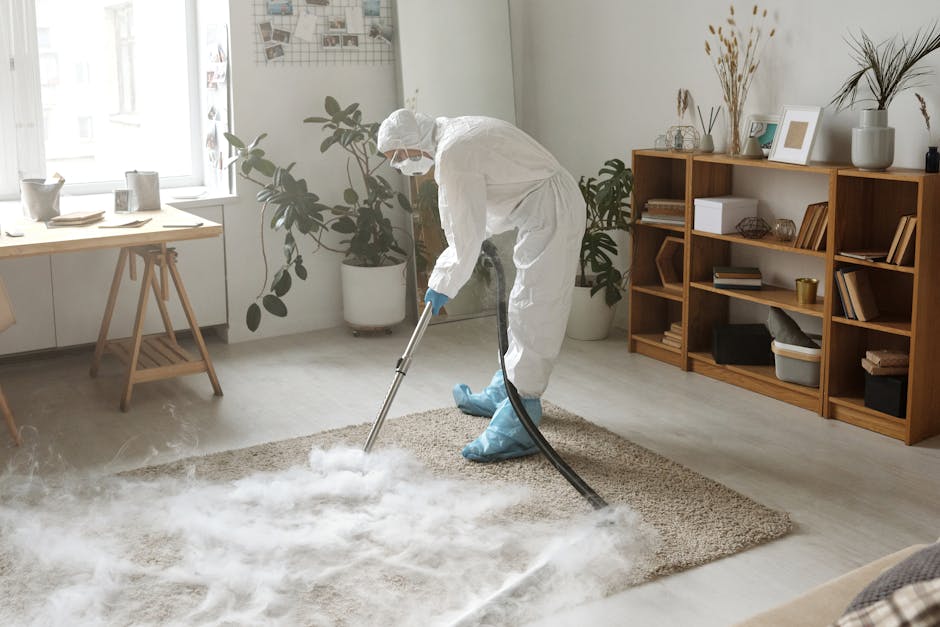
Same day stain removal in Islington what to know
If you have just spotted a fresh spill on carpet, upholstery, or a rug, the first few minutes matter more than most people realise. Same day stain removal in Islington what to know is really about making quick, sensible decisions before a mark has time to set, spread, or turn into a permanent eyesore. In a busy home or office, that can be the difference between a simple clean-up and a much bigger repair job. And yes, it is a bit annoying when it happens right before guests arrive or a tenant inspection lands on your calendar.
This guide breaks down how urgent stain removal usually works, what to expect from a same-day visit, which mistakes make things worse, and how to judge whether a stain is worth treating yourself or handing over to a professional. You will also find a checklist, a comparison table, and a few local, real-world considerations for Islington properties, from compact flats to busy offices and rental turnovers.
Quick expert summary: If the stain is fresh, unknown, or on delicate fabric, act fast but gently. Blot, do not scrub. Avoid heat unless you are sure of the stain type. For larger, older, or high-value items, a same-day professional visit is often the safer route.
Contents
- Why Same day stain removal in Islington what to know matters
- How same-day stain removal works
- Key benefits and practical advantages
- Who this is for and when it makes sense
- Step-by-step guidance
- Expert tips for better results
- Common mistakes to avoid
- Tools, resources and recommendations
- Law, compliance, standards, or best practice
- Options, methods, or comparison table
- Case study or real-world example
- Practical checklist
- Conclusion
- Frequently asked questions
Why Same day stain removal in Islington what to know matters
Stains are sneaky. A coffee splash can look harmless for ten minutes, then the fibres start drinking it in. Red wine, grease, mud, ink, makeup, pet accidents, and food spills can all behave differently, and some are far less forgiving than others. In Islington, where many homes have fitted carpets, vintage rugs, fabric sofas, and busy hallways, speed really does count.
Same day stain removal matters for three simple reasons. First, it can stop the stain from bonding to the material. Second, it can reduce odour and bacterial growth from organic spills. Third, it can protect the look and value of the item, especially if you are renting, selling, or hosting a commercial space where first impressions matter. Let's face it, nobody wants to explain a giant mark in the middle of a cream rug.
There is another angle too: the longer a stain sits, the more likely it is to be treated incorrectly by well-meaning attempts at cleaning. A bit of water in the wrong place, a harsh detergent, or too much rubbing can spread the problem into a wider patch. In some cases, the original stain becomes less visible, but the damaged area grows. Not exactly progress.
For Islington households, same-day action is especially useful when a stain appears before an end-of-tenancy inspection, family gathering, office meeting, or move-in day. If your property is also being deep cleaned, it may make sense to coordinate stain treatment with broader cleaning support such as domestic cleaning in Islington or, for larger jobs, house cleaning support. That way the stain is handled in the context of the whole room, not just as a panic fix.
How Same day stain removal in Islington what to know Works
Same-day stain removal usually starts with a quick assessment. A cleaner looks at the fabric type, backing, dye stability, stain source, size of the patch, and how long the spill has had to settle. Sounds technical, but in practice it is mostly about not making assumptions. A sofa cushion and a wool rug do not want the same treatment, even if the stain looks identical from across the room.
Most same-day visits follow a basic sequence:
- Identify the material. Carpet, wool rug, upholstery, synthetic fibre, or blended fabric each needs different handling.
- Identify the stain. Food, drink, grease, ink, paint, urine, mud, or unknown residue all react differently.
- Test first. A small hidden area is checked to avoid colour loss or fibre damage.
- Pre-treat carefully. The stain is loosened with a suitable solution, not a one-size-fits-all spray.
- Extract or lift. Depending on the surface, the goal is to draw the stain out rather than push it deeper.
- Rinse and finish. Residue is reduced so the area does not re-soil quickly.
For upholstery, the process is often slower than people expect, even on a same-day booking. That is not a bad sign. It usually means the cleaner is being careful with drying time and fabric safety. If you have a sofa, armchair, or dining chairs that need attention, it is worth looking at upholstery cleaning in Islington alongside stain removal, because the real issue may be deeper than the visible mark.
Carpets and rugs can be different again. Some marks respond well to extraction. Others need targeted stain chemistry and patient blotting. A thick wool rug, for example, may need gentler handling than a synthetic office carpet. If the item is especially valuable or handwoven, the cleaner may choose a more conservative method to protect the pile and dyes.
Key Benefits and Practical Advantages
The obvious benefit is speed. You deal with the stain while it is still fresh, which often improves the chance of a full or near-full removal. But there are a few other advantages that are easy to overlook until you need them.
- Less chance of permanent marking. Fresh spills are usually easier to lift than old, oxidised stains.
- Reduced odour. This matters a lot for food, drink, pet, and organic stains.
- Better finish for inspections or viewings. Especially useful in rentals and shared homes.
- Lower risk of DIY damage. A trained approach can stop colour bleed, ring marks, and pile distortion.
- Less disruption overall. One short same-day visit can be easier than living with a visible patch for weeks.
There is also peace of mind. That sounds fluffy, but it is not. When a fresh stain is sitting in the room every time you walk past, it becomes a tiny daily irritation. Get it handled quickly and the whole space feels calmer again. Strange how that works, really.
For offices and commercial premises, fast stain removal can also help protect the professional look of reception areas, meeting rooms, and breakout spaces. If your place is already due for broader maintenance, it can be sensible to combine it with office cleaning in Islington or check the broader services overview to see how cleaning tasks fit together.
Who This Is For and When It Makes Sense
Same-day stain removal is not only for emergencies. It is for anyone who wants to protect the condition of a surface before the stain has time to settle in. That said, it makes the most sense in certain situations.
You may need it if you are:
- a tenant with a spill before checkout or inspection
- a homeowner preparing for visitors or listing photographs
- a landlord trying to keep a property presentable between lets
- a business owner dealing with a public-facing carpet or seat
- a parent, pet owner, or host who simply cannot leave a fresh stain alone
- someone with a valuable rug, sofa, or upholstered chair you would rather not gamble with
It is especially useful when the stain is unknown. Unknown means dangerous in cleaning terms. If you do not know whether the mark is coffee, sauce, body fluid, ink, or something oil-based, your first instinct may be wrong. And that is where things go sideways. Fast.
There are also cases where same-day stain removal is not the best first move. For example, if the fabric is already fragile, the item is water-sensitive, or the stain may be linked to a leak or moisture issue, the cleaner may need to slow down and investigate first. Same day does not mean rushed; it means responsive.
Step-by-Step Guidance
If a stain lands in front of you right now, here is the practical approach most professionals would want you to follow before they arrive.
- Act quickly, but do not panic. The first response matters more than frantic scrubbing.
- Blot the spill. Use a clean white cloth or paper towel and press gently from the outside in.
- Avoid heat. Heat can set protein-based stains, dye transfer, and some food marks.
- Do not over-wet the area. Too much water can spread the stain and soak the underlay.
- Keep track of what caused it. If you know the source, tell the cleaner. It saves time and helps choose the right method.
- Protect the area. Keep pets, shoes, and heavy traffic away if possible.
- Ask about material care. Before any stronger treatment is used, make sure the surface can handle it.
If you are waiting for a same-day professional to arrive, try to leave the stain as untouched as possible after the initial blotting. That sounds almost too simple, but it is often the best thing you can do. A heavily worked stain can become a broad, blurred patch that takes longer to deal with.
If the stain is on a rug, it may help to check whether the item is also due for rug cleaning in Essex Road N1 style treatment, because rugs tend to trap residue differently from fitted carpet. A rug can look fine on the surface while still holding a nasty surprise underneath.
Here is a simple quick-response flow if you want one:
- Blot gently.
- Do not scrub.
- Keep notes on the spill.
- Photograph the stain if needed for insurance, landlord, or move-out records.
- Book a same-day visit if the item matters and the stain is spreading.
Expert Tips for Better Results
A few small choices can make the outcome much better. These are the habits professionals tend to rely on, even if they sound unglamorous.
- Use plain white cloths. Coloured towels can transfer dye.
- Work from the outside edge inward. This reduces the risk of making the patch bigger.
- Test any cleaner first. Hidden areas are your friend.
- Be cautious with homemade mixtures. Vinegar, bicarbonate, washing-up liquid, and club soda are all commonly suggested, but they are not universally safe.
- Do not keep reapplying product. More is not always better. Sometimes it is just wetter.
- Allow proper drying time. Even a successful clean can look disappointing if the pile is still damp and matted.
One thing people often miss: a stain can leave a shadow even after the visible mark is gone. That does not always mean failure. It may mean the item needs a second pass, more drying, or a different product altogether. Cleaning is a bit like cooking, honestly. Timing matters, and so does knowing when to stop fiddling.
If the stain is in a high-traffic hallway, or near a doorway that picks up city grime, you may want to think about the wider condition of the carpet rather than just the spot. A targeted stain treatment can be paired with carpet cleaning in Islington when the surrounding fibres are already dull or marked.
Common Mistakes to Avoid
Most bad stain outcomes are not caused by the original spill. They are caused by the reaction to it. Here are the usual culprits.
- Scrubbing hard. This pushes the stain deeper and roughens the fibres.
- Using too much water. Over-wetting can create tide marks and spread contamination.
- Applying random products. Two cleaners mixed together can react badly, and some products bleach or strip colour.
- Waiting too long. Fresh is easier than set, every time.
- Ignoring fabric type. What works on synthetic carpet may damage wool or velvet.
- Forgetting the underlayer. The surface may look clean while residue remains beneath.
A more subtle mistake is underestimating odour. A stain that smells faintly after a quick wipe is often telling you there is still residue in the material. If you are dealing with pet-related marks, food spills, or anything organic, a proper same-day clean is usually more effective than a surface-only fix.
Also, if you are managing a rental property, do not assume every mark can be solved with a quick cosmetic touch-up. Some stains are signs of deeper wear or repeated soiling. Better to know that early than to discover it five minutes before handover. That is not a fun moment.
Tools, Resources and Recommendations
You do not need a cupboard full of products to handle the first stage of a spill. In fact, having too many options can make people hesitate. A small, sensible kit is usually best.
- clean white microfibre cloths or paper towels
- a small bowl of cool water
- a soft spoon or blunt edge for lifting solids
- gloves if the spill is unhygienic or unknown
- a notebook or phone to record what happened
- good lighting so you can actually see the stain properly
For local property upkeep, it also helps to think beyond the stain itself. If the issue sits alongside general wear and tear, booking a more complete clean may save time. For example, a home with stained upholstery, a busy carpeted room, and dusty skirting boards might benefit from a broader service rather than several separate panic jobs. You can look at end of tenancy cleaning in Islington if you are preparing a move-out or trying to reset a property quickly.
If trust and process matter to you, it is sensible to review how a company handles safety, complaints, and payments before booking. Those pages do not remove a stain, of course, but they do tell you a lot about how the business works. The same goes for reading customer reviews and checking the company background on about us. A clean room is nice. A clean, clear service experience is better.
Law, Compliance, Standards, or Best Practice
Stain removal is not usually a heavily regulated task in the way building works or some specialist trades are, but best practice still matters. In the UK, a cleaning provider should work with suitable care, use products safely, and avoid causing damage to surfaces or surrounding property. That sounds obvious, yet it is the backbone of trustworthy service.
If you are a landlord, tenant, or managing agent, it is wise to keep expectations realistic. A cleaning company can improve appearance dramatically, but it cannot promise miracles on every material. Delicate fabrics, old dye transfer, burnt-on marks, and long-set stains may only be improved, not erased. Honest guidance is a sign of professionalism, not failure.
For households with children, pets, allergies, or sensitive surfaces, it is also good practice to ask what products are being used and how long the area needs to dry. If a cleaner explains their approach clearly, gives careful instructions, and respects the material, that is a good sign. You should never feel rushed into a treatment that you do not understand.
From a broader service standpoint, checking the company's insurance and safety information and health and safety policy can be reassuring. It shows the business takes site work seriously, especially in homes where fragile flooring, electrical items, or valuable furniture are close by. To be fair, that kind of reassurance matters just as much as the cleaning itself when someone is coming into your home the same day.
Options, Methods, or Comparison Table
There is no single best method for every stain. The right choice depends on the fabric, stain type, urgency, and how valuable the item is. This table gives a practical overview.
| Method | Best for | Strengths | Limitations |
|---|---|---|---|
| Blotting and light spot treatment | Very fresh spills on sturdy fabrics | Fast, low-cost, gentle | May not remove deep or oily residue |
| Targeted stain chemistry | Specific stains like coffee, wine, ink, or grease | More effective than general cleaning | Must be matched carefully to the material |
| Extraction cleaning | Carpets and some upholstery | Lifts residue from fibres and backing | Drying time needed; not ideal for every fabric |
| Low-moisture treatment | Delicate items or faster turnaround needs | Reduced drying time | May be less effective on heavily soiled areas |
| Full-room or full-item clean | Multiple stains, wear, or general dullness | More even finish | More time and budget needed |
If the stain is on a sofa rather than flooring, it can be worth combining the treatment with a broader upholstery clean, especially when the armrests and seating area are already marked. In other words, don't just treat the visible dot and ignore the bigger picture. That is how you end up cleaning the same thing twice.
For those comparing service options, pricing and payment clarity also matter. It is reasonable to review pricing and quotes and payment and security details before you commit, particularly if the stain appears outside standard hours and you need a same-day slot.
Case Study or Real-World Example
Picture a small Islington flat on a rainy weekday evening. A takeaway tray tips over on a light carpet near the sofa, leaving a greasy patch mixed with sauce and a bit of rice. The resident tries a quick dab with kitchen roll, then stops when the stain starts to spread. Sensible move. A little later, a same-day cleaner arrives, checks the carpet type, tests a small area, and lifts the residue in stages rather than flooding the patch.
What made the difference? Three things. The spill was blotted early. No harsh household product was added. And the cleaner was able to assess the material before treating it. Nothing magical. Just careful steps taken quickly.
Now compare that with a less successful version of the same story. Someone scrubs hard with a coloured cloth, adds a hot cloth, then pours on detergent because the stain "still looks there". The mark spreads, the fibres flatten, and a pale halo appears around the patch. By the time a professional sees it, the original spill may be secondary to the damage caused by the attempted fix. It happens all the time, truth be told.
In a rental, that kind of mistake can become a stressful conversation at checkout. In a home, it can mean living with a patch that keeps catching your eye every time the light hits it. In an office, it can simply make the whole room feel a bit off. Tiny thing, big effect.
Practical Checklist
Use this checklist if a stain has just appeared and you want the best chance of a good result.
- Identify the surface: carpet, rug, sofa, chair, or cushion.
- Note what caused the stain, if known.
- Blot gently with a white cloth or paper towel.
- Do not scrub, heat, or soak the area.
- Keep the stain from spreading by working from the edges inward.
- Take a photo if you need a record for a landlord, insurer, or property manager.
- Check whether the item is delicate, valuable, or colour-sensitive.
- Decide whether a same-day visit is worth it based on urgency and risk.
- Ask for clear guidance on drying time and aftercare.
- Review the service provider's trust information if you have time to spare.
A useful extra step: if the room itself is due a refresh, think ahead a little. Stain treatment is more effective when it sits inside a sensible cleaning plan, not as a last-minute patch job. You might even combine it with a local area read such as flat deep cleaning near Holloway Road or office cleaning in Canonbury and Highbury if you are managing multiple spaces.
Conclusion
Same-day stain removal is really about timing, judgement, and matching the method to the material. That is the heart of it. If you know what caused the stain, act gently, and avoid the common DIY traps, you give yourself a much better shot at a clean finish. If the item is delicate, expensive, or part of a busy home or workplace, a same-day professional response can save time and worry.
For Islington residents, renters, landlords, and businesses, the smart move is usually simple: stop the stain from settling, keep the area calm, and get the right kind of help as soon as you can. Not every spill becomes a disaster. Most do not, actually. But the sooner you deal with it, the better the odds.
If you want a clearer idea of your options, take a look at the company's service overview, review the latest promotions, and read a few customer reviews before you book. A little research now can save a lot of stress later.
Get a free quote today and see how much you can save.
And if the stain is already staring back at you from the carpet, take a breath. It may be more manageable than it looks right now.
Frequently Asked Questions
How quickly should I treat a fresh stain?
Immediately if possible. The first few minutes are often the most important because fresh stains have not had time to bond deeply into the fibres. Even a gentle blot within the first minute or two can improve the outcome.
Can I use hot water on any stain?
No. Hot water can set certain stains, especially protein-based marks and some dyes. Cool water is usually the safer starting point unless you know the stain type and material are suitable for heat.
Is same-day stain removal safe for wool carpets?
It can be, but wool needs careful handling. Wool is more sensitive than synthetic fibres, so the cleaner should test first and use a method suited to the carpet rather than a generic treatment.
Will a same-day cleaner always remove the stain completely?
Not always. Fresh stains have a better chance of full removal, but older stains, dye transfer, and delicate fabrics may only improve rather than disappear entirely. A good cleaner should explain that clearly.
What should I do if I do not know what caused the stain?
Blot it gently, avoid adding random products, and tell the cleaner that the source is unknown. That information helps them choose a safer approach and avoid making the stain worse.
Does a stain always mean the carpet needs replacement?
No. Many stains can be improved significantly with the right treatment. Replacement is usually only considered when the fibre is permanently damaged, the stain is extremely old, or the material has worn out in other ways too.
Can I remove pet stains myself before booking help?
You can blot the area and keep it as dry as possible, but pet stains often involve both marking and odour. If the stain has soaked in, same-day professional treatment is usually the more reliable option.
How long does same-day stain removal usually take?
It depends on the stain, material, and size of the affected area. A small fresh spot may be straightforward, while a larger or more complex stain can take longer because careful treatment and drying time matter.
Is it better to clean one stain or the whole room?
If the rest of the room is already dull, marked, or heavily used, a broader clean may give a better finish. If the room is otherwise in good shape, a targeted stain treatment might be enough.
What should I ask before booking a same-day visit?
Ask what type of surfaces they treat, how they handle unknown stains, whether they test first, what drying time to expect, and how pricing is structured. Clear answers are a good sign.
Are same-day appointments usually more expensive?
They can be, depending on urgency, timing, and the complexity of the job. It is sensible to check pricing in advance so you know whether the convenience is worth it for your situation.
What if the stain returns after cleaning?
That can happen if residue was left deeper in the material or if the item was not fully dried. A follow-up may be needed, and it is worth asking the provider how they handle reappearing marks or ring formation.
Can same-day stain removal help before an end-of-tenancy check?
Yes, especially if the stain is fresh and the property needs to look presentable quickly. It is often a sensible addition to broader moving-out cleaning, rather than a stand-alone panic fix.