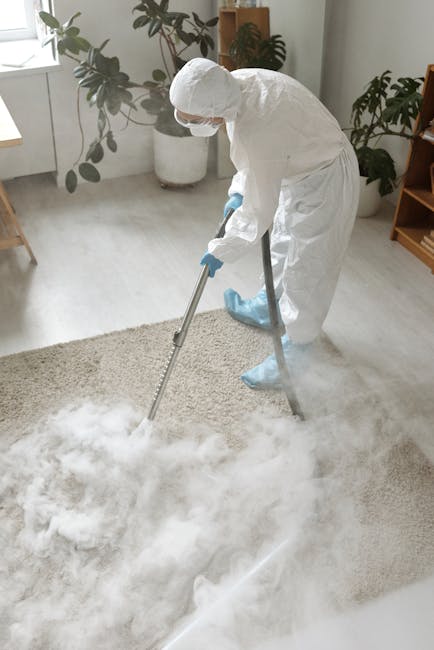
Common carpet cleaning problems in Victorian Islington homes
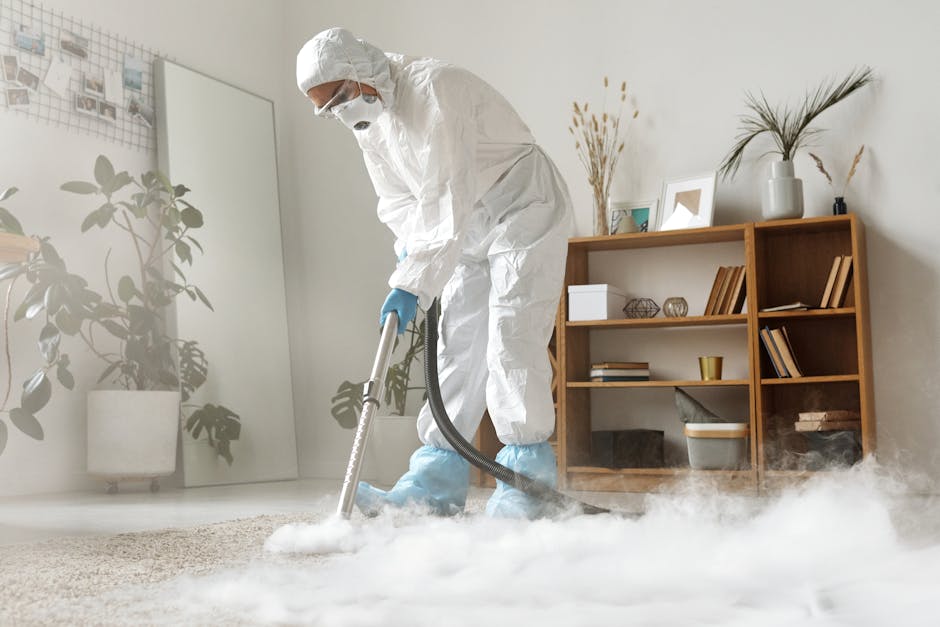
Victorian homes in Islington have a lot of charm: original floorboards under the carpet, tight staircases, bay windows, older underlays, and the kind of character that newer properties can only fake. But that same character also creates a very specific set of carpet cleaning headaches. If you have ever dealt with a damp smell after cleaning, a stain that keeps returning, or wool carpet that seems to bruise too easily, you are not imagining it. Common carpet cleaning problems in Victorian Islington homes are often caused by age, layout, materials, and the realities of London living all working together at once.
This guide breaks down what tends to go wrong, why it happens, and how to tackle it without making things worse. You will also see when a DIY fix is fine, when to stop, and when a professional method such as steam carpet cleaning or targeted stain removal makes more sense. Let's face it, in a Victorian terrace or conversion, the carpet is often the quiet witness to everything from muddy boots to moved furniture to that one accidental coffee spill nobody wants to talk about.
Why these carpet cleaning problems matter in Victorian Islington homes
Older Islington properties bring together narrow rooms, historic building materials, and a surprising amount of wear in high-traffic spaces. That matters because carpet cleaning is not just about making the pile look fresh. In a Victorian home, the wrong approach can flatten fibres, drive moisture deeper into the underlay, or expose problems that were already hiding under the surface.
One of the most common issues is moisture management. Victorian homes can have less predictable ventilation, and carpets over older floors may dry more slowly than you expect. If a carpet stays damp for too long, odour, browning, and even secondary issues like mildew can follow. Not ideal, obviously. And in a place where rooms are often compact and airflow is uneven, even a good clean can become frustrating if drying is poor.
There is also the matter of fabric sensitivity. Many period homes still have wool-rich carpets or blended fibres that need gentler treatment than modern synthetic carpets. A heavy-handed clean can leave crushed fibres or colour distortion, especially where the carpet has already faded unevenly from sunlight through sash windows. Add in pets, children, stair runners, and frequent visitors, and you get a cleaning environment that needs judgement, not guesswork.
It also matters for value. Clean carpets can improve first impressions, support a more comfortable home, and help protect the condition of the flooring beneath. If you are preparing for a move, a renovation, or a rental handover, this becomes even more relevant. A clean that looks good for one day but causes shrinkage or residue is no bargain at all.
Expert summary: Victorian Islington carpets usually need a cleaner touch, better moisture control, and a more careful stain strategy than standard "spray and scrub" advice suggests.
How carpet cleaning works in older properties
At its best, carpet cleaning is a controlled process: loosen the soil, lift it from the fibres, remove residue, and dry the carpet efficiently. In Victorian homes, each step needs more caution because the carpet may be sitting on older boards, uneven subfloors, or existing repairs that you cannot see at a glance.
Most professional cleaning starts with inspection. That means checking fibre type, stain history, existing wear, backing condition, and whether the carpet is fitted tightly against skirting boards or stair nosings. In an older property, those details matter. A carpet that has lived through several decades may have thinner backing, patched areas, or a slightly loose fit that reacts badly to too much moisture.
Then comes pre-treatment. This is where cleaners target grease, food marks, pet soils, or general body oils before the main clean. For heavily used homes, especially those with hallways and stairs, pre-treatment can make the difference between a decent result and one that looks strangely patchy. In some cases, a cleaner may combine hot water extraction with controlled agitation, or use low-moisture methods if the carpet and the room layout call for it.
Drying is the bit people underestimate. To be fair, most carpet problems after cleaning are drying problems in disguise. If the room is warm but air does not move, or if the carpet sits above a cold Victorian floor, moisture can linger longer than expected. Good practice usually means using ventilation, keeping foot traffic light, and avoiding furniture replacement until the carpet is properly dry.
For some homes, a broader clean can help too. A deep cleaning approach is often more suitable than a quick refresh when the carpet has years of embedded dust, stair dirt, or old spill residue. And if the issue is not just the carpet but also nearby fabrics, services such as upholstery cleaning or curtain cleaning may be worth considering so dust is not simply shuffled from one surface to another.
Key benefits and practical advantages
The main benefit is obvious: the carpet looks cleaner. But the real advantages go a bit deeper than that. In a Victorian Islington home, the right cleaning approach can improve the feel of the room, reduce stale odours, and make everyday maintenance easier.
- Better appearance: traffic lanes, dull patches, and old spill marks are less noticeable when fibres are properly lifted and residue is removed.
- Improved comfort: carpets feel softer and fresher underfoot, especially in bedrooms and living rooms.
- Odour control: if a carpet has absorbed food, pet, or damp smells, proper cleaning can make a meaningful difference.
- Longer carpet life: removing gritty soil helps reduce fibre wear in hallways, stairs, and other busy areas.
- Better home hygiene: regular cleaning helps reduce the build-up of dust and debris that can settle deep in the pile.
There is also a practical benefit for busy households. If you keep on top of the carpet in a period property, small issues stay small. A little soot near the fireplace, a drink spill by the sofa, a patch of mud near the front door - all of it is easier to manage when tackled early. Wait too long and the stain settles in like it pays rent.
For rental properties and short-let spaces, the benefits are different but just as important. Fast turnaround, presentable floors, and fewer complaints about smells or marks can save time and stress. In those cases, a service like end of tenancy cleaning or Airbnb cleaning may be more useful because it deals with the whole property context, not just the carpet in isolation.
Who this is for and when it makes sense
This topic is especially relevant if you live in, manage, or clean Victorian housing in Islington - whether that is a terrace, conversion flat, maisonette, or a top-floor walk-up with stairs that seem to go on forever. You may need this guidance if your carpets are showing one or more of these signs:
- traffic lanes near hallways, landings, or stair edges
- stains that return after spot cleaning
- damp or musty odours after carpet washing
- fraying or flattening around edges and high-use paths
- pet-related marks and lingering smells
- dust build-up in rooms with older ventilation
- post-renovation residue from builders' dust or paint specks
It also makes sense if you are moving in or out, because older carpets can hide more than they show. A property might look tidy at a glance, then reveal hidden soiling once the furniture is shifted. That is common in Victorian homes, especially where carpets have been layered, cut around fireplaces, or replaced in sections over time.
Commercial landlords, office managers in converted period buildings, and residents with communal stair carpets should also pay attention. Shared spaces take a beating. If that sounds familiar, a service such as communal area cleaning or commercial carpet cleaning may be the better fit.
Small truth, though: not every stained carpet needs a dramatic intervention. Sometimes a careful local treatment and sensible drying routine is enough. The trick is knowing the difference.
Step-by-step guidance
If you are trying to solve the most common carpet cleaning problems in Victorian Islington homes, the safest approach is to work methodically. Here is a practical order that keeps risk down and improves the chance of a good result.
- Identify the carpet type. Check whether it is wool, synthetic, or a blend. If you are unsure, test a small hidden area and be conservative.
- Inspect the problem properly. Look for stains, odour sources, pile distortion, buckling, and any signs that the carpet has been damp before.
- Vacuum thoroughly. Remove dry soil first. This sounds basic, but skipping it pushes grit deeper into the pile.
- Spot test all treatments. Use a small hidden section before applying any stain remover across a visible area.
- Pre-treat targeted marks. Use the right product or method for the stain, not a one-size-fits-all spray.
- Clean with controlled moisture. Avoid over-wetting, especially on stairs, near skirting, or over older underlay.
- Rinse or extract residue. Leftover detergent can attract dirt and make the carpet look grim again very quickly.
- Dry with airflow. Open windows where possible, use fans if appropriate, and limit foot traffic until dry.
- Check for reappearing stains. Some spots wick back up as the carpet dries. If that happens, a second targeted treatment may be needed.
- Reset the room carefully. Replace furniture only when the carpet is dry enough to avoid rust marks or pile dents.
If the problem is pet-related, odour rather than colour may be the real issue. In that case, pet stain odour removal is often the more suitable route because smell can linger deep in the backing and underlay. For rugs that are being used on old floorboards, it can also help to use a more tailored approach via rug cleaning.
Expert tips for better results
There are a few things experienced cleaners keep in mind with Victorian properties that are easy to miss if you are focused only on the visible stain.
- Check airflow before you start. A warm room is not the same thing as a drying-friendly room. Air movement matters more than people think.
- Use less liquid than you think. Older carpets and stair runners rarely benefit from soaking. Less is often more.
- Treat the cause, not just the mark. If the carpet keeps staining in one spot, look for a source such as underlay contamination, pet habits, or a recurring spill pattern.
- Watch for colour bleed. Period carpets can be more delicate than they look, especially if they have been cleaned many times already.
- Be careful near edges. Victorian skirting gaps, radiator pipes, and fireplace surrounds can trap dirt and moisture.
- Combine room care where sensible. Cleaning the carpet while ignoring dusty curtains, dirty upholstery, or neglected windows can undo some of the freshness.
There is a lot of value in sequencing. For example, if you are doing a full refresh before guests arrive, it can be smarter to clean soft furnishings first, then carpet, then polish the rest of the room. That keeps dust from settling back onto the freshly cleaned fibres. A service mix like sofa cleaning, window cleaning, and carpet treatment often works better than tackling one surface in isolation.
And yes, sometimes a professional will say "no" to a method that sounds impressive. That is a good thing. You want the carpet clean, not heroic and damaged.
Common mistakes to avoid
Most carpet problems after cleaning are avoidable. The usual mistakes are not glamorous, just expensive in a very boring way.
- Over-wetting the carpet: this is one of the biggest causes of long drying times, odour, and wick-back stains.
- Using harsh bleach or brighteners: these can damage fibre colour and create patchy, permanent-looking marks.
- Scrubbing too hard: aggressive rubbing can distort the pile and spread the stain wider.
- Ignoring underlay issues: if the spill has reached underneath, surface cleaning alone may not solve the smell.
- Cleaning without vacuuming first: dry grit turns into abrasive slurry when mixed with moisture.
- Replacing furniture too early: heavy items can leave dents or transfer stain onto damp fibres.
- Assuming one method suits all carpets: wool, synthetic, patterned, and stair carpets behave differently.
Another common mistake is chasing every mark with a different product. That sounds productive, but it often makes diagnosis harder. If one treatment does not work, stop and reassess rather than stacking cleaners on top of each other. Mixed residues can leave the carpet sticky, and then you are in a loop. A very annoying loop.
Tools, resources and recommendations
You do not need a van full of equipment to handle many carpet cleaning problems, but a few basic tools make life much easier.
| Tool or resource | Best use | Why it helps in Victorian homes |
|---|---|---|
| Quality vacuum cleaner | Removing dry grit and dust | Helps reduce abrasion on older fibres and stair runners |
| Microfibre cloths | Blotting spills and spot treatments | Gentler than rough towels and less likely to spread marks |
| Carpet-safe stain treatment | Targeted stain removal | Useful for food, drink, and everyday marks when used carefully |
| Air mover or fan | Speeding up drying | Very helpful where ventilation is limited |
| Soft brush or grooming tool | Lifting pile after cleaning | Can restore a more even finish in flattened areas |
If you are dealing with deep soiling, frequent pet issues, or a carpet that has not been properly cleaned for a long while, it may be more practical to book a professional visit rather than buying more products. A good cleaner should be able to explain the fibre type, likely risks, and recommended drying time in plain English. That transparency matters.
It is also worth thinking beyond the carpet itself. In older homes, dirt often moves from one surface to another. Hallway carpets collect shoe soil, curtains hold dust, sofas absorb odour, and the whole room starts to feel tired. That is why a broader clean - sometimes including domestic cleaning or house cleaning - can be a smarter investment than a single spot treatment.
Law, compliance, standards and best practice
Carpet cleaning itself is not a heavily regulated trade in the way some technical services are, but that does not mean anything goes. In the UK, reasonable care, safe working practices, and honest trading standards still matter. If a contractor is working in your home, you should expect sensible risk management, suitable products, and clear communication about what the process involves.
For Victorian properties, the main best-practice issues are safety and suitability. Wet floors create slip risk. Strong chemicals can affect occupants, pets, and finishes. Electric equipment should be used carefully around moisture. If a home has fragile flooring, loose edging, or worn stair coverings, these risks increase a little. Not dramatic, just enough to deserve attention.
It is also wise to ask about insurance and safety arrangements before booking any cleaner. A trustworthy provider should be able to explain how they handle equipment safety, surface protection, and complaint resolution if something does not go as expected. You can review details such as insurance and safety, health and safety policy, and terms and conditions if you want to understand how a service frames those responsibilities.
For pricing expectations, the most reliable route is usually a written quote based on the actual property and the specific problems involved, not a broad assumption from the street outside. Period homes vary too much for casual guesswork. If you want a clearer view of what may be included, check pricing and quotes. And if payment security matters to you - fair enough, it usually should - the company's payment and security information is worth reading too.
Options and comparison table
When dealing with carpet cleaning problems in a Victorian Islington home, you usually have three broad options: DIY spot cleaning, low-moisture cleaning, or professional hot water extraction/steam-based cleaning. The right choice depends on the problem, the carpet type, and how much risk you are willing to tolerate.
| Method | Best for | Pros | Limitations |
|---|---|---|---|
| DIY spot cleaning | Fresh spills, small isolated marks | Quick, inexpensive, useful for early action | Easy to overdo, limited for deep dirt or odour |
| Low-moisture cleaning | Delicate carpets, quick turnaround | Faster drying, lower saturation risk | May not remove heavy embedded soil as fully |
| Steam or hot water extraction | Deep soiling, traffic lanes, stubborn odours | Strong cleaning power, good for refreshed appearance | Needs careful drying and correct fibre matching |
For many Victorian homes, the real answer is a mix. A hallway may need extraction, a bedroom may only need a gentler treatment, and a stair runner may require a very controlled process. There is no prize for using the strongest method everywhere. Sometimes restraint gives the best result. Oddly enough, that is usually how older houses prefer to be treated.
Case study or real-world example
A fairly typical Islington scenario goes like this: a family in a Victorian conversion notices a dull, dark strip along the hallway and the first few stairs. They try a shop-bought spray, then a stronger foam, and the mark gets patchier. After that, the carpet starts to smell slightly damp on warmer days. Annoying, but common.
What was probably happening? The hallway had years of tracked-in grit, a little spill history near the door, and enough residue from previous spot cleaning to make the fibres look flat. Because the property was older, drying was slower than expected and the smell stayed in the backing for longer than surface cleaning would have suggested. A more suitable approach would have been: vacuum thoroughly, identify the pile type, pre-treat the traffic lane, clean with controlled moisture, dry with airflow, and reassess for wick-back after drying.
After a careful clean, the strip would usually look lighter, the pile more even, and the odour noticeably reduced. Not magic. Just the right process for the room. That is the difference in a Victorian home: the structure matters almost as much as the stain.
For a property that is being prepared for handover, combining carpet work with move out cleaning can help because the whole home is treated as one system rather than a series of separate jobs. If the rooms are being prepared for new residents, move in cleaning may make sense instead.
Practical checklist
Use this quick checklist before, during, or after carpet cleaning in a Victorian Islington home.
- Identify the carpet fibre and any vulnerable areas.
- Vacuum thoroughly before applying any liquid.
- Spot test cleaners in an unseen section first.
- Use the least aggressive treatment that can reasonably solve the problem.
- Avoid soaking carpets, especially on stairs or above older floorboards.
- Improve airflow and allow proper drying time.
- Watch for stains reappearing as the carpet dries.
- Keep furniture off damp areas until fully dry.
- Deal with odour separately if the source has reached the underlay.
- Book professional help if the carpet is delicate, old, or repeatedly staining.
If you want to keep carpets looking better for longer, regular care matters more than big rescue jobs. A routine service such as regular cleaning can be a sensible way to stay ahead of the build-up rather than waiting for a full-blown problem.
Get a free quote today and see how much you can save.
Conclusion
Victorian Islington homes are full of character, but that character comes with quirks: older materials, uneven drying conditions, narrow circulation spaces, and carpets that may have seen a lot more life than they let on. The most common carpet cleaning problems in these homes usually come down to moisture, fibre sensitivity, hidden underlay issues, and the tendency for stains to return if they are not treated properly.
The good news? Most of these problems can be managed with the right approach. Start gently, work methodically, and do not treat every carpet like a new-build synthetic sample. If you take the time to match the method to the property, you will usually get a better result and avoid the tired, slightly soggy aftermath that nobody wants.
And if you are ever unsure, that is perfectly normal. Older homes can be a bit mysterious, even on a sunny afternoon. The safest path is often the simplest one, done carefully.
Frequently Asked Questions
What are the most common carpet cleaning problems in Victorian Islington homes?
The most common issues are slow drying, recurring stains, flattened pile, odours trapped in the backing or underlay, and colour sensitivity in older or wool-rich carpets.
Why do carpets in Victorian homes take longer to dry?
Older properties can have less predictable ventilation, colder floors, and tighter room layouts, all of which can slow evaporation. Even a well-cleaned carpet may need extra airflow.
Is steam carpet cleaning safe for Victorian carpets?
It can be, but only when the carpet type and condition suit the method. Delicate fibres, worn backing, or existing moisture issues may call for a gentler approach.
Why do stains come back after cleaning?
This is often called wick-back. It happens when residue or deep soil rises back to the surface during drying. Proper extraction and drying reduce the risk.
Can I clean an old wool carpet myself?
Yes, for small surface marks you often can, but use a mild, carpet-safe method and test first. For deep stains or valuable carpets, caution is the better move.
What should I do if my carpet smells damp after cleaning?
Improve airflow straight away, check that the carpet is fully dry, and consider whether the smell is coming from the underlay. If it lingers, professional treatment may be needed.
How do I remove pet odours from carpet in a Victorian flat?
Pet odour often sits deeper than the visible stain. Targeted pet stain odour removal is usually more effective than surface spraying alone.
Are hallway and stair carpets harder to clean?
Yes, because they collect more soil, have more wear, and can be awkward to dry evenly. Stair edges and landings often need more careful treatment.
Should I get carpets cleaned before or after a full house clean?
Usually after dustier tasks are complete, so debris does not settle back onto freshly cleaned fibres. In a full refresh, carpet cleaning often works best near the end.
How often should carpets be professionally cleaned in older homes?
That depends on traffic, pets, children, and room use. Busy Victorian homes often benefit from regular maintenance rather than waiting until the carpet looks visibly dirty.
What if my carpet has builder's dust or renovation residue?
That material can be very fine and abrasive. A more thorough approach, sometimes linked with after builders cleaning, may be the best way to remove it properly.
How can I tell if a cleaner is the right fit for an older property?
Look for clear explanations about fibre type, drying time, safety, and what happens if a stain reappears. Good providers are careful, not rushed, and they should be able to explain their process plainly.
For a trusted starting point, you can also explore the company's about us page or get in touch through the official contact us page if you want to discuss a specific carpet issue.
In homes like these, a careful clean is never just about looking tidy. It is about keeping the place comfortable, lived-in, and quietly looked after, which is really what good housekeeping is all about.